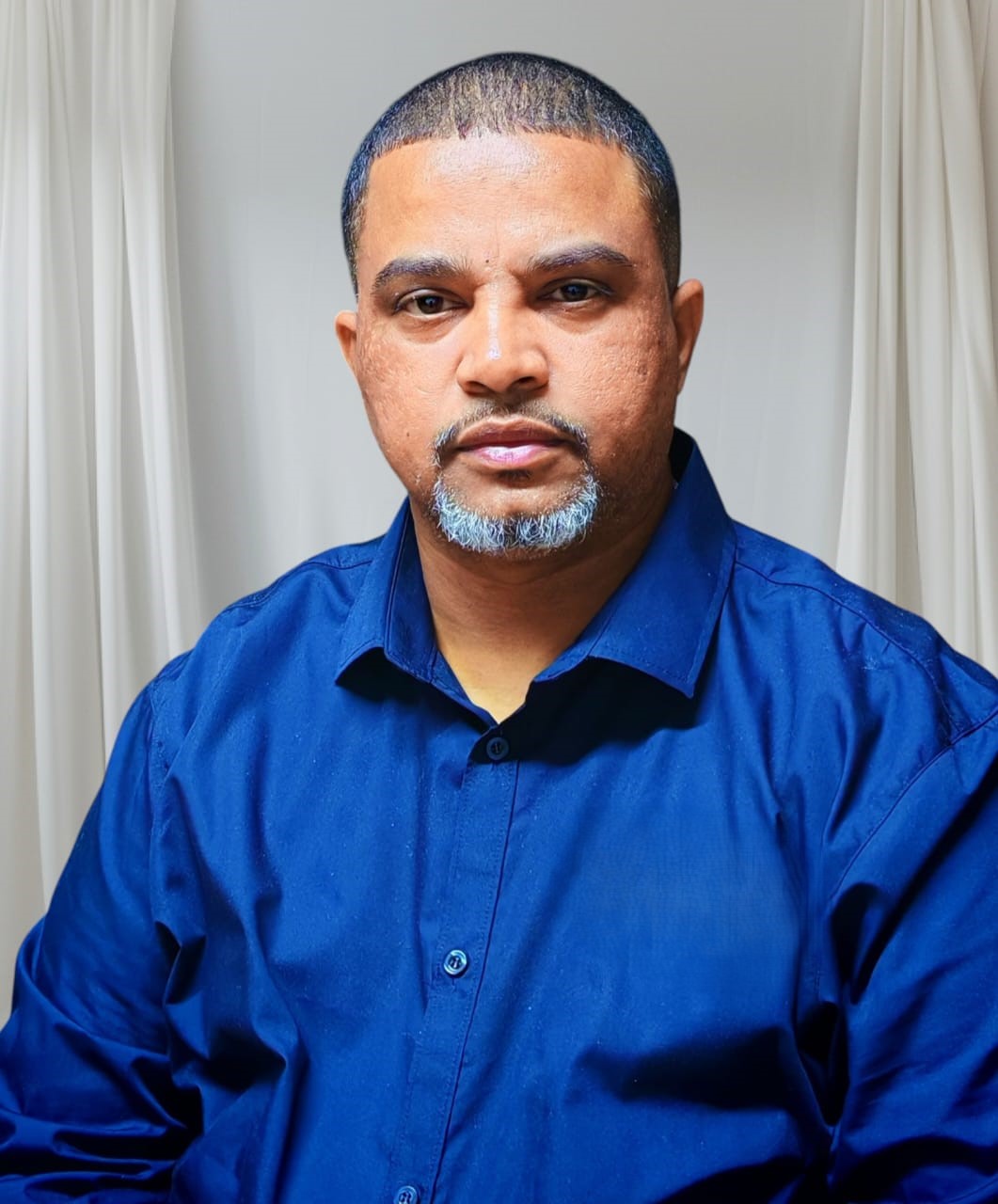
Behavioural Safety & Human Risk Specialist for High-Risk Work Environments. Where safety systems end, human behaviour begins — and that's where incidents happen.
Industry reality: Your safety systems, PPE, and procedures are not enough. 88% of incidents involve human behavioural failure. The gap isn't compliance — it's the decision made in 3 seconds under pressure.
Four evidence-informed pillars designed specifically for high-risk work environments. Not theory — operational behaviour change built on site experience.
Workers in high-risk environments must recognise their own physical, emotional, and cognitive state before entering a hazardous zone. This pillar develops internal awareness that overrides autopilot behaviour — the leading cause of near-miss incidents on site.
Bystander culture kills people. We build a workforce that owns the decision in the moment — not one that defers, ignores, or assumes someone else will act. Accountability is not punishment. It is ownership of the outcome before it happens.
Fatigue and stress are the invisible hazards on every site. This pillar equips workers and leaders with practical tools to manage cognitive load, maintain situational awareness, and recognise impairment in themselves and their teammates.
Knowledge without execution is worthless on site. This pillar closes the gap between what workers know and what they actually do — reinforcing safe behaviour as the default, not the exception. Communication, clarity, and habit formation are the tools.
With over a decade of hands-on Occupational Safety, Health, and Environmental management across South Africa's most demanding high-risk industries, I've stood on the same sites, walked the same hazard zones, and reviewed the same incident reports that keep Safety Managers awake at night.
I've worked in environments where one behavioural failure ends a career, a family, or a life. I've seen compliance culture fail. I've seen induction fatigue set in. I've seen experienced workers make fatal decisions because no one had ever addressed the human element.
"The site doesn't care about your safety file. It responds to behaviour. I train the behaviour."
I founded The Reconnection Practice's Behavioural Safety Division to provide specialist intervention — not generic coaching, not motivational speaking, but targeted behavioural change programmes grounded in the operational realities of construction, petrochemical, logistics, and engineering environments.
These are not HR programmes or generic workshops. These are specialist interventions designed for operational environments where behavioural failure has direct consequences.
Your workforce knows the procedures. They've attended inductions. They have their PPE. And yet incidents keep happening — during shutdowns, at height, under deadline pressure, in the final hours of a shift. The problem is never the system. It's the behaviour inside it.
A structured 2 day behavioural intervention programme delivered in 8 x 60-90 minute sessions — on-site or virtual. Each of the four S.A.F.E pillars are spread across two sessions per pillar, building cumulative behavioural change through applied practice, group accountability, and real-world scenario work.
Measurable reduction in at-risk behaviours. Stronger on-site accountability culture. Improved decision-making under pressure. Workers who choose safety not because they have to — but because the behaviour is embedded.
Toolbox talks are recycled. Safety talks are tuned out. Your workforce has become conditioned to ignore standard safety communication — and you know it.
High-impact, 60-90 minute workshops targeting specific behavioural risk areas: decision-making under pressure, accountability at the point of work, fatigue management, and peer safety culture.
Crews that are engaged, activated, and practically equipped — not lectured. Immediate application of behavioural tools to their daily environment.
Traditional risk assessments identify physical and procedural hazards. They miss the most dangerous variable: the human being making decisions in the moment of exposure.
A specialist diagnostic assessment of your workforce's behavioural risk profile — identifying specific at-risk behaviour patterns, pressure points, and cultural blind spots that increase incident probability.
A targeted behavioural risk report with prioritised intervention recommendations. Gives your safety leadership a clear picture of where your human risk exposure actually sits.
Safety culture starts at the top. When site supervisors, project managers, and operations leadership model poor behavioural habits — cutting corners, dismissing near-misses, tolerating non-compliance — the crew follows. Every time.
One Day targeted leadership sessions for site management, project directors, and operations leads — addressing the specific behavioural patterns that either reinforce or erode safety culture on site. Based on the S.A.F.E framework adapted for leadership responsibility.
Leaders who visibly model the behaviours they demand. A leadership layer that holds the behavioural standard — closing the gap between management expectation and site reality. The cultural shift that makes every other intervention work.
The S.A.F.E intervention is structured, measurable, and operationally integrated. Not a standalone programme — a system embedded into how your site operates.
We begin with a structured diagnostic to understand your specific human risk environment before any intervention is delivered.
The intervention is deployed on your terms — on-site or virtual, structured around your operational schedule.
Sustained behavioural change requires reinforcement. We build mechanisms that maintain the shift beyond the programme.
When the human factor is addressed directly, at-risk behaviours decrease. Fewer shortcuts. Fewer assumptions. Fewer split-second failures. The numbers follow the behaviour — always.
Compliance moves from reluctant adherence to genuine ownership. Workers who understand why the behaviour matters comply differently than workers who comply because they're watched.
The most dangerous decisions happen fast, under pressure, with incomplete information. S.A.F.E training builds the cognitive habit of pausing, assessing, and choosing the safer action — even under production pressure.
Culture isn't what's written in the policy. It's what people do when no one is watching. After S.A.F.E intervention, safe behaviour becomes the social norm on site — not the exception enforced by management.
Site supervisors and operations managers who model the right behaviours don't need to enforce compliance — they create it. Leadership alignment multiplies the impact of every other safety initiative.
Incidents cost time, money, reputation, and lives. Every prevented incident is a shift completed, a project delivered, a crew that goes home. Behavioural safety is not a cost — it's an operational asset.
"Your safety statistics are a direct measure of your safety culture — and your safety culture is a direct reflection of the behaviours you tolerate, model, and reward."
— Stephen Naidoo, Behavioural Safety & Human Risk Specialist
Every session is a paid engagement. There are no free consultations — because your time and mine have value, and because real intervention begins the moment we engage. If you're serious about reducing incidents through behavioural change, book a session.
KwaZulu-Natal based. Available nationally across South Africa and virtually for all regions. On-site delivery available for projects in Durban, Johannesburg, Cape Town, and surrounding areas.
All sessions are paid engagements. No free discovery calls.